My First-Hill circuit: Topkapı, Hagia Sophia, the Basilica Cistern, and supper by the walls
I set aside an entire day to walk the monuments of Sultanahmet in one continuous, unhurried arc. Here is how I structured my route from the imperial courtyards to an evening table beside the stone walls.
When I look at my manuscripts in Frankfurt, I tend to pare away clutter until the essential narrative emerges. I approach the Historic Peninsula of Istanbul in much the same spirit. Sultanahmet holds the heaviest concentrations of imperial history in the city, and on previous visits I had sometimes made the mistake of darting across its stone squares without a coherent plan, leaving me exhausted by mid-afternoon. On this trip, I decided to test a deliberate sequence across Istanbul's First Hill: a dedicated morning exploring Topkapı Palace, an early afternoon climb into the upper gallery of Hagia Sophia, a cool descent into the sunken chambers of the Basilica Cistern, and an easy finish with dinner beside the ancient palace walls.
Walking between these sites requires very little transit time—they sit within a five-minute stroll of one another—but each demands its own mental pace. Giving the entire day over to this compact perimeter gave me the room to absorb each monument without watching the clock.
A measured morning inside Topkapı Palace
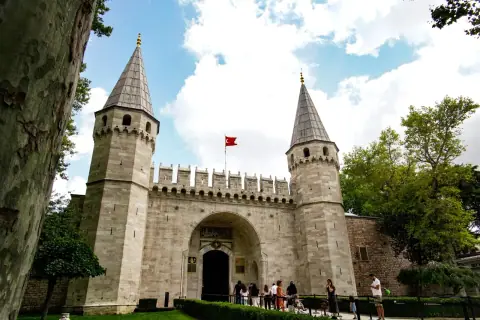
I began my morning by walking past the Fountain of Ahmed III and through the Imperial Gate into Topkapı's first courtyard. Because the palace grounds are extensive and encompass four distinct courtyards alongside several museum annexes, I had blocked out a full half-day here. I walked through the Gate of Salutation into the second courtyard, where tall cypresses frame the porticoes of the palace kitchens on one side and the Imperial Council Hall on the other.
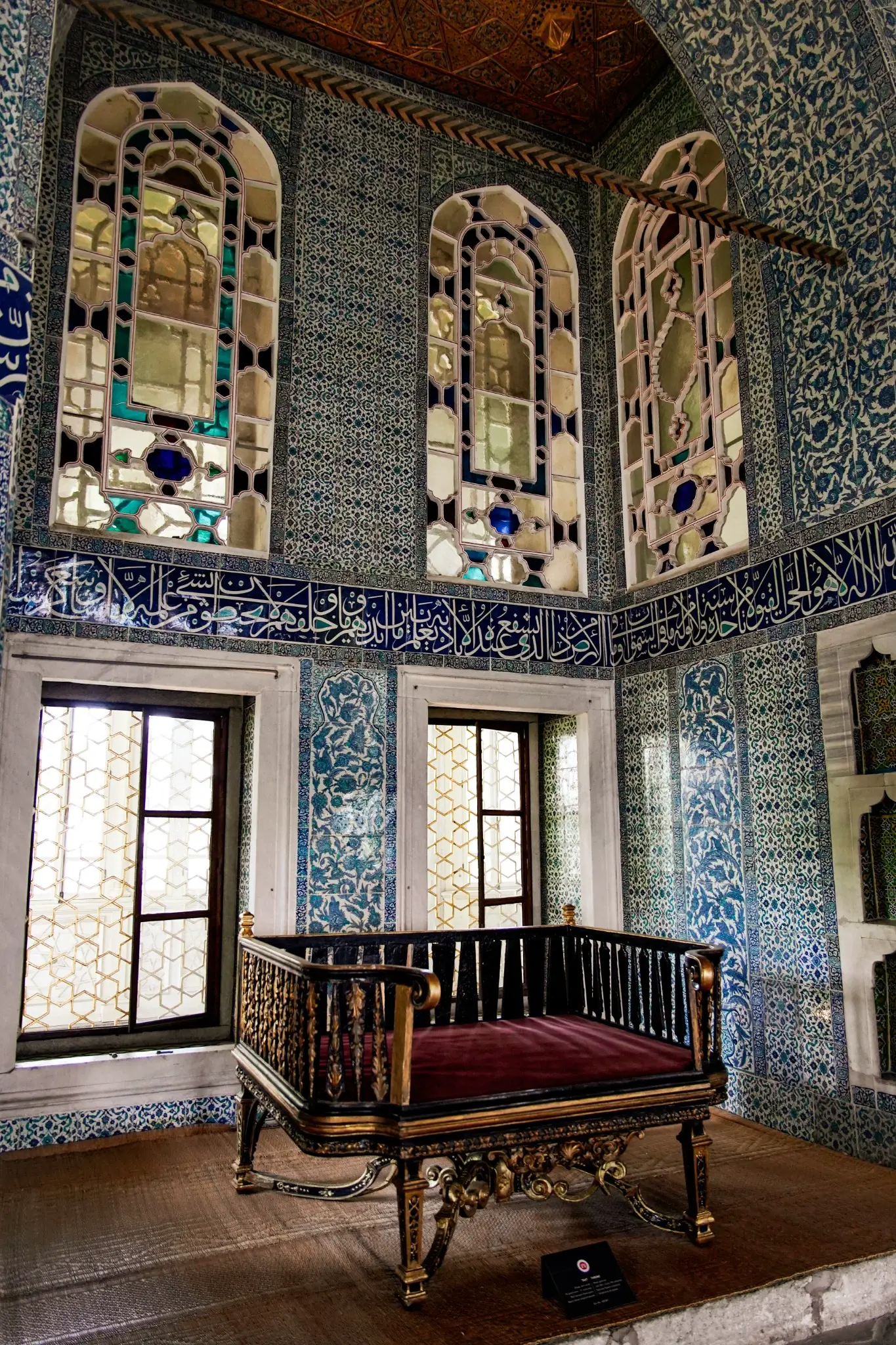
I made an intentional choice to head straight for the Harem apartments before turning to the other pavilions. The Harem is a separate domestic complex tucked into the residential heart of the palace, and wandering its intricate network of corridors in relative quiet was a revelation. I walked through tiled vestibules, past the courtyard of the Queen Mother, and lingered in private chambers decorated with sixteenth-century İznik tiles painted in vivid cobalt, sage, and coral red. The geometric woodwork of the window seats and the subtle domes overhead offered an intimate counterpoint to the monumental scale of the public state rooms outside.
Returning to the second courtyard, I spent time examining the Imperial Council Hall, with its gilded latticework and the spire of the Tower of Justice rising above, before walking into the vast palace kitchens. The kitchens house an astonishing collection of Chinese and European porcelain, alongside copper cauldrons that once fed thousands. In the third courtyard, I paused in the clock museum to inspect centuries of intricate European and Ottoman timepieces, before moving through the Gate of Felicity toward the Treasury.
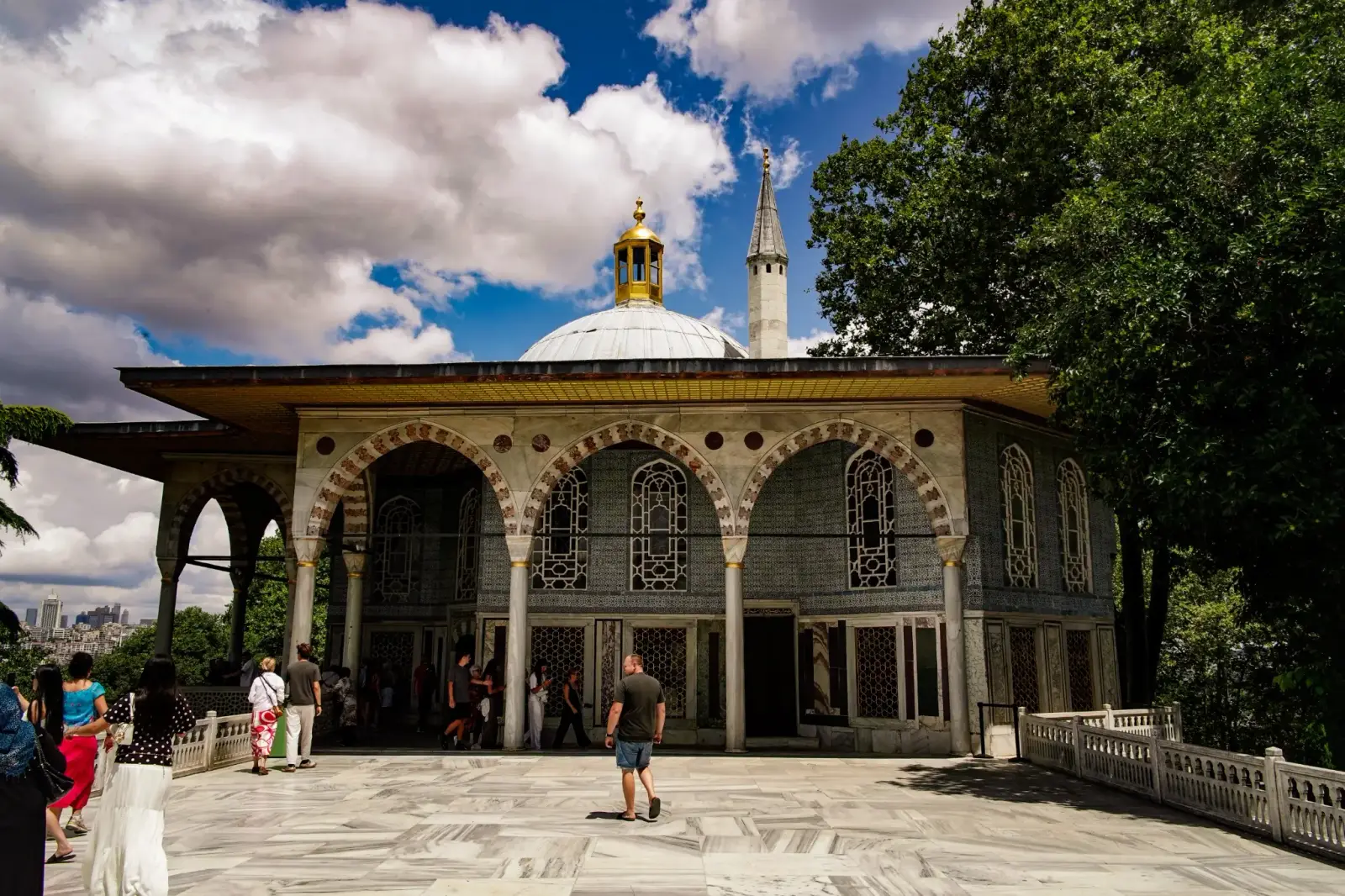
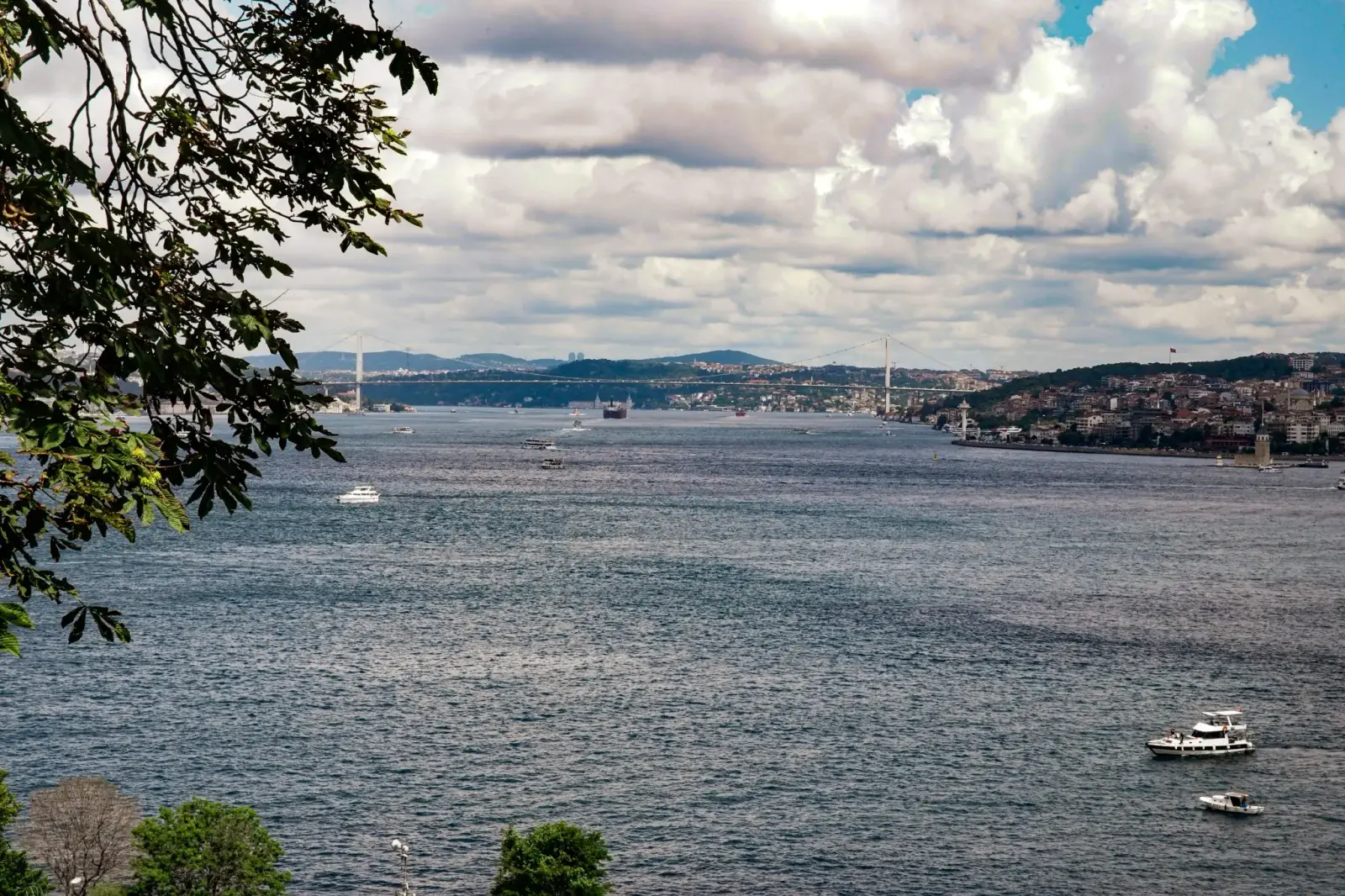
By late morning, I reached the fourth courtyard. This is where the palace dissolves into landscaped gardens and pleasure pavilions. I walked past the Circumcision Room and the Baghdad Pavilion, stepping out onto the marble terrace to take in the breeze. Standing above the ramparts, I looked across the waters where the Golden Horn merges into the Bosphorus, watching commuter ferries sketch white lines across the deep blue strait.
The upper galleries of Hagia Sophia
Leaving the palace through the main gates around midday, I walked two hundred metres southward toward Hagia Sophia. The sixth-century Byzantine cathedral, later transformed into an imperial Ottoman mosque and now once again an active place of worship, anchors Sultanahmet Square with its weathered brick buttresses and surrounding minarets. Having planned my clothing in advance, I ensured my shoulders and knees were covered and wrapped a lightweight linen scarf around my hair before heading toward the visitor entrance.
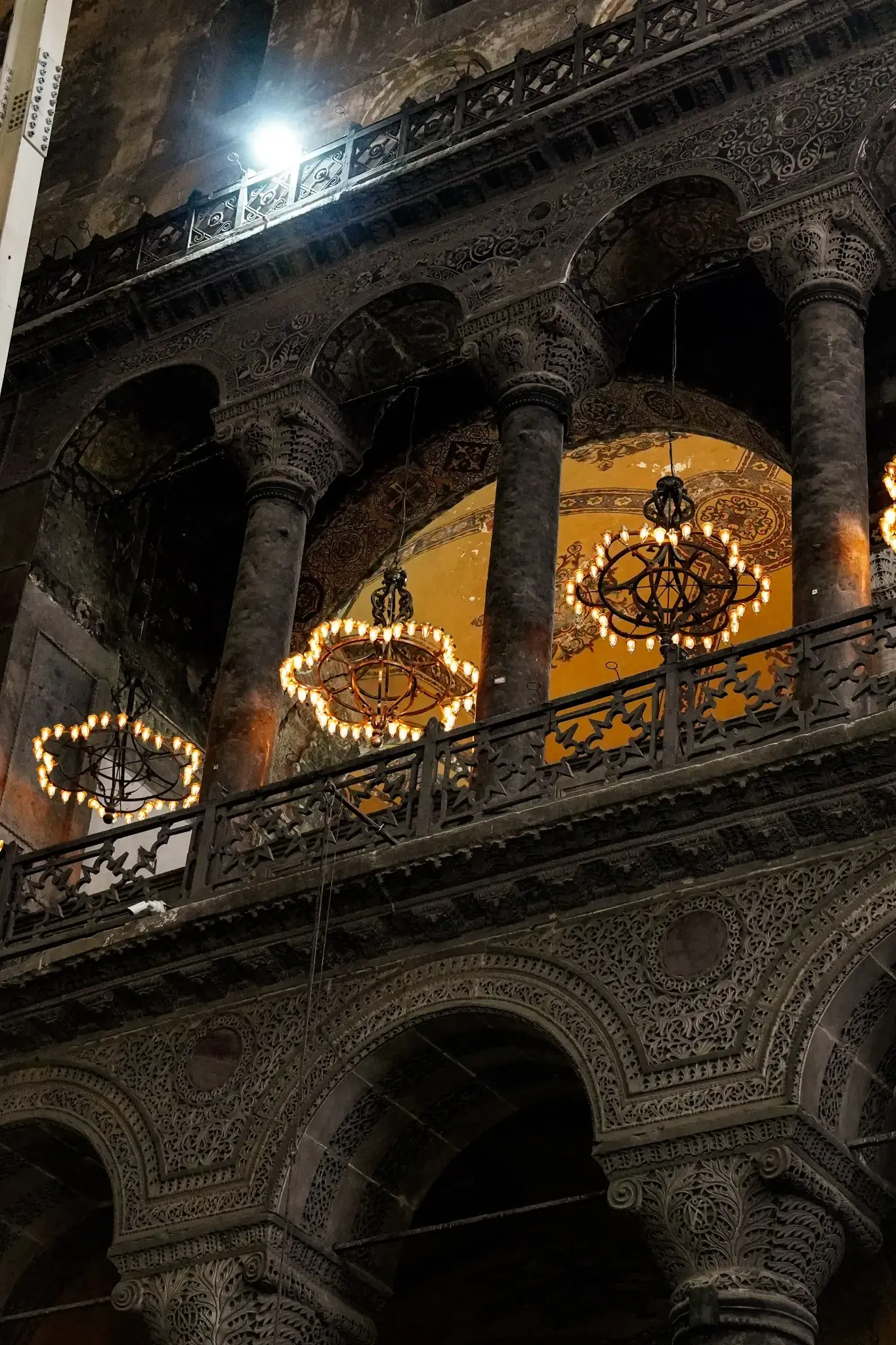
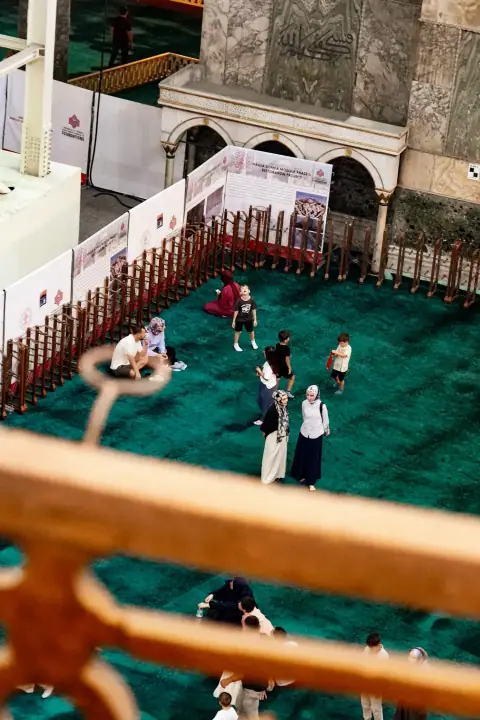
Visitors experience Hagia Sophia from the upper galleries, which are reached via an inclined stone ramp that wraps up into the building. Stepping out onto the marble floor of the gallery was breathtaking. From this vantage point, you are suspended right below the curve of the main dome, looking out across the vast open nave below and coming nearly level with the monumental Ottoman calligraphic medallions bearing the names of Allah, the Prophet, and the caliphs.
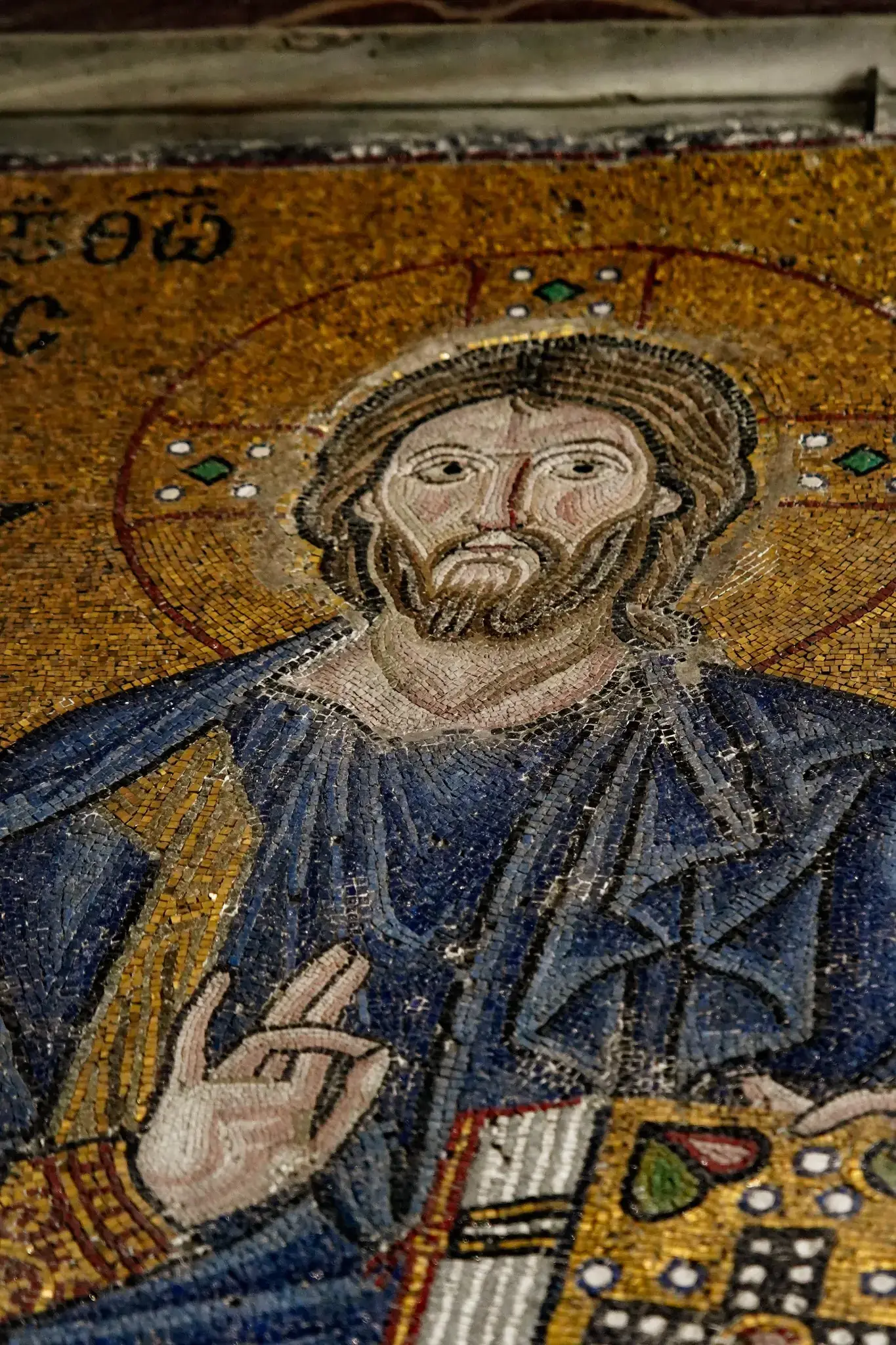
What kept me in the south gallery for nearly an hour were the surviving Byzantine mosaics. I stood in front of the Deesis mosaic, examining the delicate shading of Christ's face, flanked by Mary and John the Baptist. Up close, the tiny stone and gold-leaf tesserae reveal a masterly command of expression and light that is invisible from the ground floor. Walking along the marble balustrades, I also took time to notice the worn marble beneath my shoes, scored by centuries of feet and etched with quiet historical traces, before taking the descent back down into the open air of the square.
Subterranean calm in the Basilica Cistern
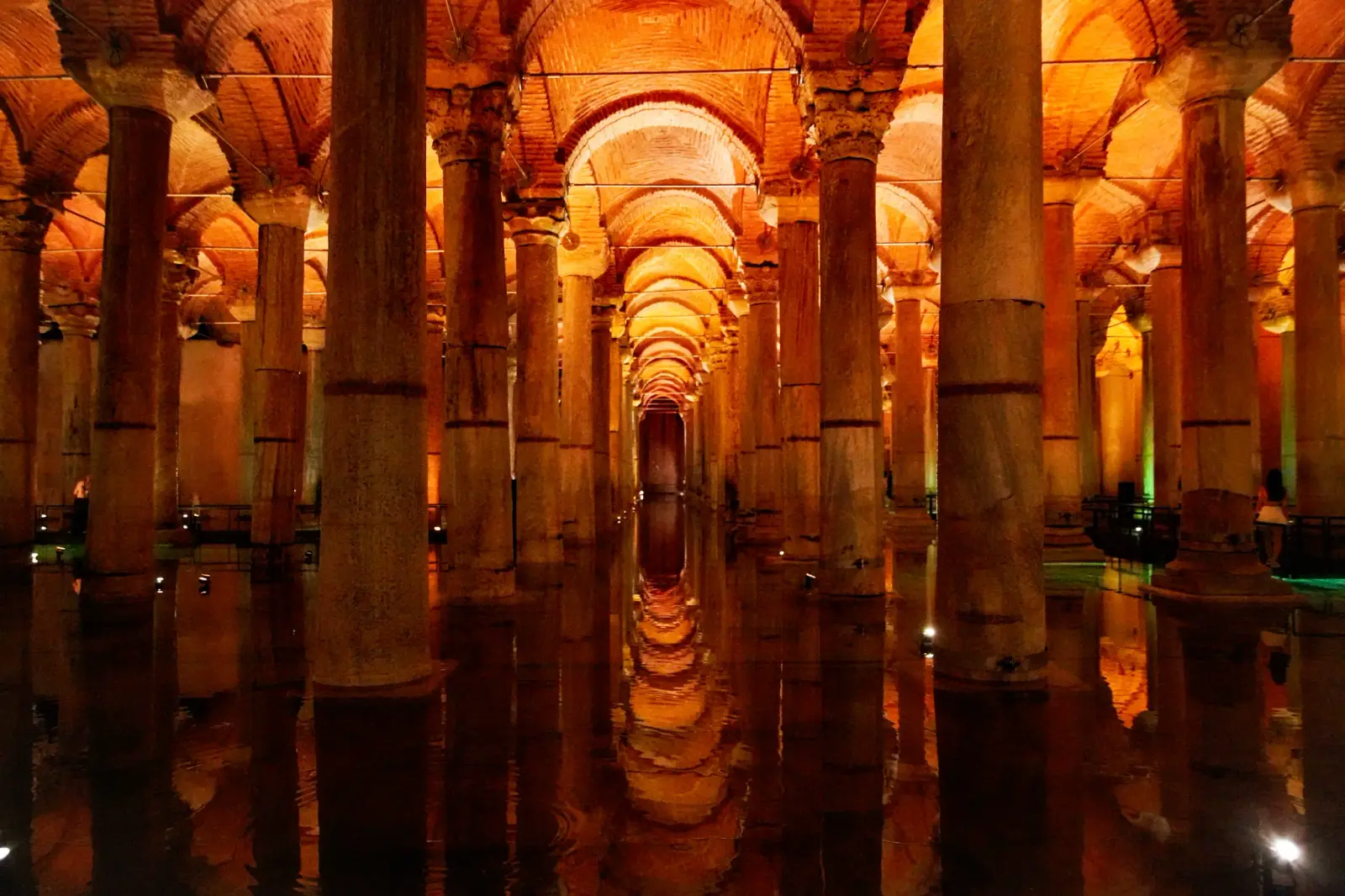
Directly across the tram tracks from Hagia Sophia lies the street-level entrance to the Basilica Cistern. After the bright sun and marble expanses of the two imperial complexes, stepping down the stairs into this sixth-century underground water reservoir felt like entering another world entirely. The air was cool and noticeably humid, filled with the gentle, rhythmic sound of water dripping from the brick vaults.
Raised wooden walkways led me through the forest of 336 marble columns, each softly illuminated against the shallow water below. I walked past column capitals carved in various ancient orders—reused architectural fragments brought here from across the Byzantine Empire—and stopped by the famous Weeping Column, its surface carved with teardrops and perpetually damp from groundwater.
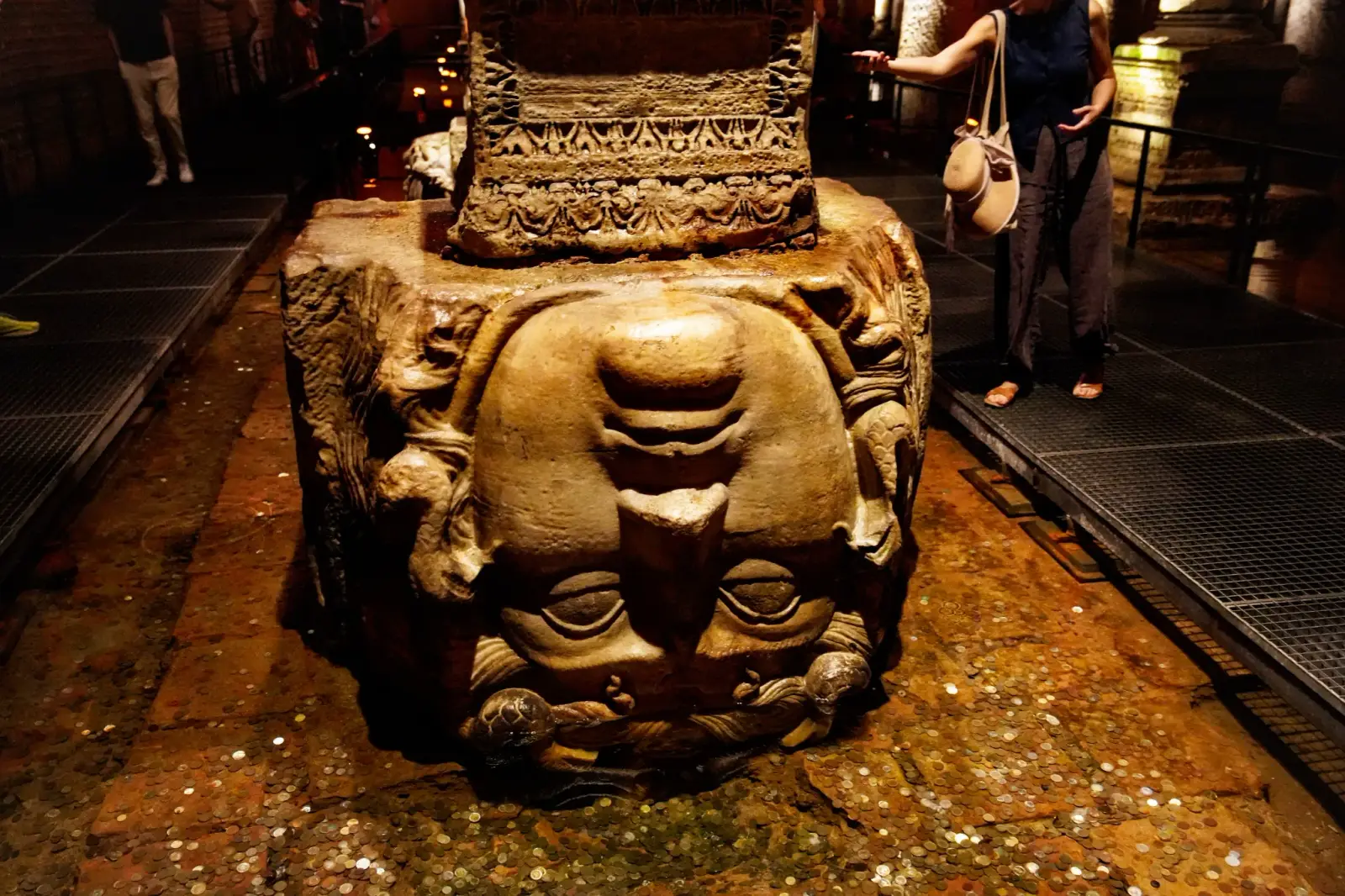
In the far northwestern corner, I followed the walkway to the two Medusa heads that serve as column bases. Seeing the enormous carved face turned completely upside down beneath tons of weight remains one of the most striking sights in Istanbul. I found this subterranean stroll to be the perfect palate cleanser: an atmospheric, unhurried forty minutes that restored my energy after the dense history of the morning.
Tickets and visiting hoursBasilica Cistern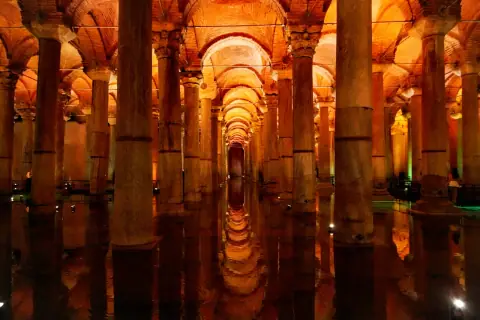
Winding down on Soğuk Çeşme Street
Emerging into the late afternoon light, I walked along the perimeter wall of Topkapı Palace down into Soğuk Çeşme Street, a picturesque lane paved with cobblestones and lined with restored Ottoman wooden mansions. Tucked along this peaceful stone corridor is Chimney Bistro, a welcoming spot I had kept in my notes for dinner.
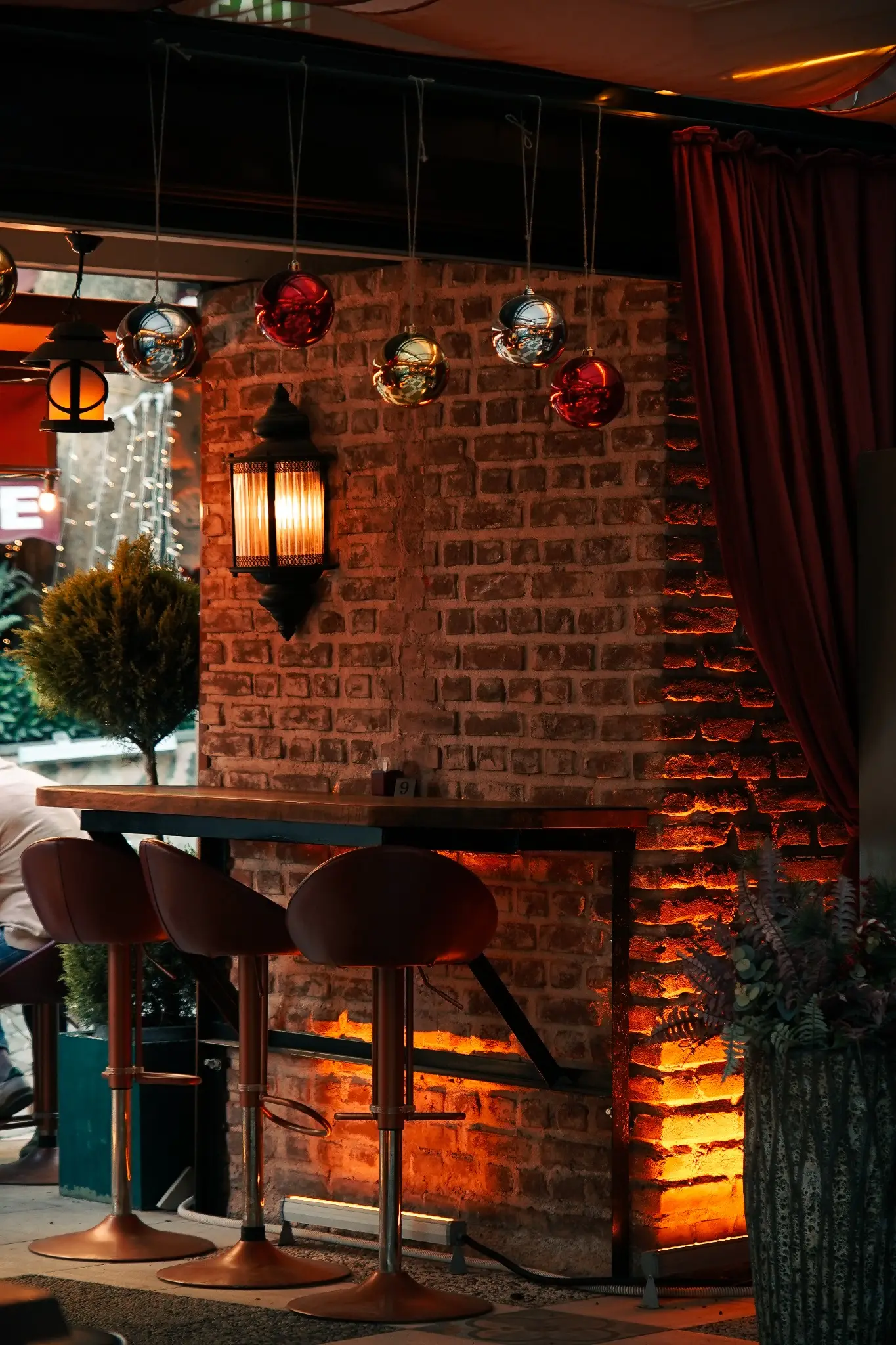
Inside, the exposed brick bar gives way to an airy dining space with an open roof overhead. After walking several kilometres over ancient flagstones, settling into a comfortable corner felt wonderful. I had booked their Chimney Combo in advance, which made ordering effortless. I opted for a freshly baked beef pide and a glass of Turkish red wine, which arrived crisp and well-balanced. Sitting under the open roof with the sturdy palace ramparts rising just beyond the window was the ideal way to let the day settle into memory.
Book a table and the meal comboChimney Bistro, Sultanahmet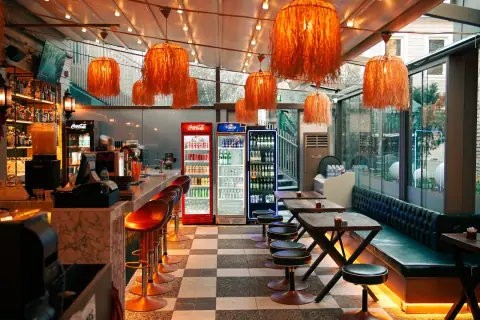
What I would do the same next time
- Allocate a full half-day to Topkapı Palace: Topkapı is not a single building but a miniature city. Starting my day here gave me the uninterrupted energy needed to appreciate both the Harem and the garden pavilions without feeling pressured.
- Keep the Cistern as an afternoon respite: Walking through the cool, dim chambers of the Basilica Cistern directly after Hagia Sophia offered a refreshing physical break before dinner.
- Group the First Hill logically: Because Topkapı, Hagia Sophia, the Basilica Cistern, and Chimney Bistro are separated by mere minutes on foot, I spent my day absorbing history rather than navigating public transport.